4 Salon and Spa Tips to Help Your Business during COVID-19
admin
Dec 28, 2020
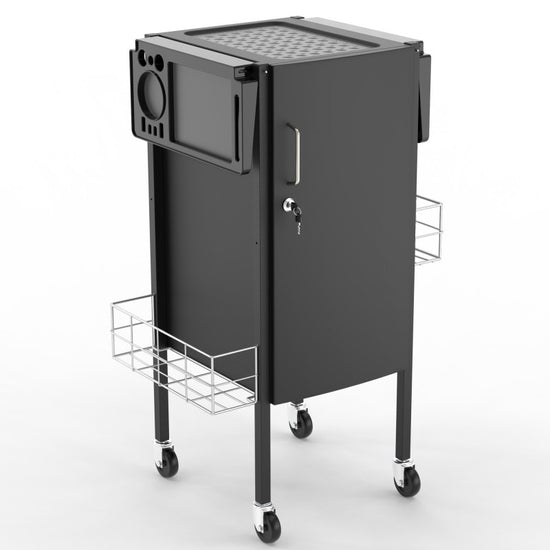
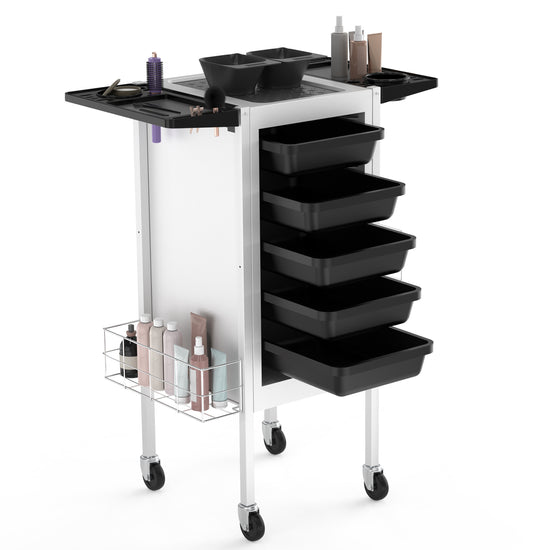
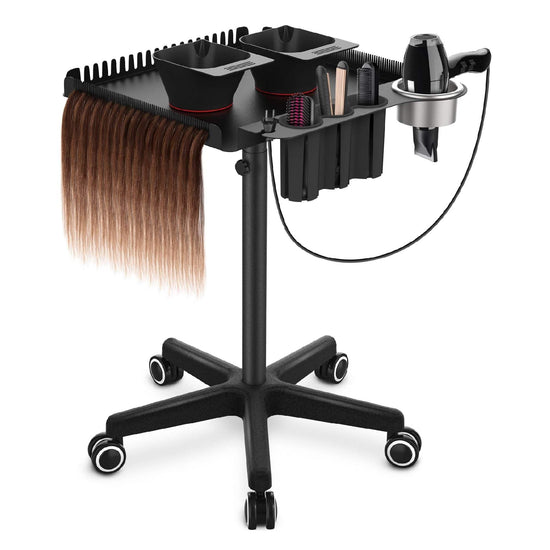
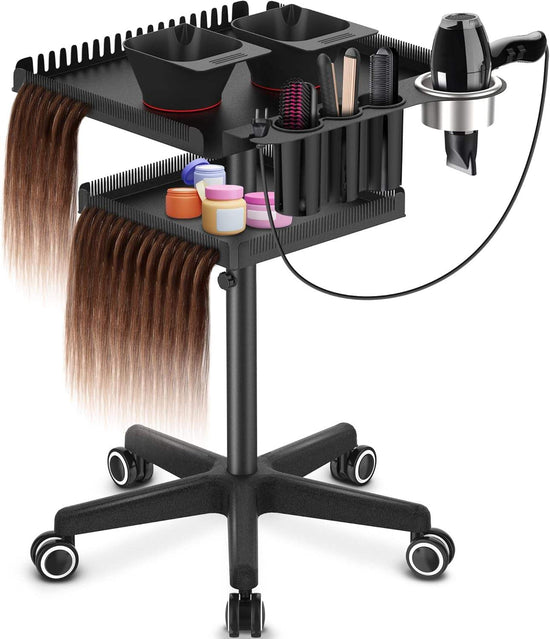
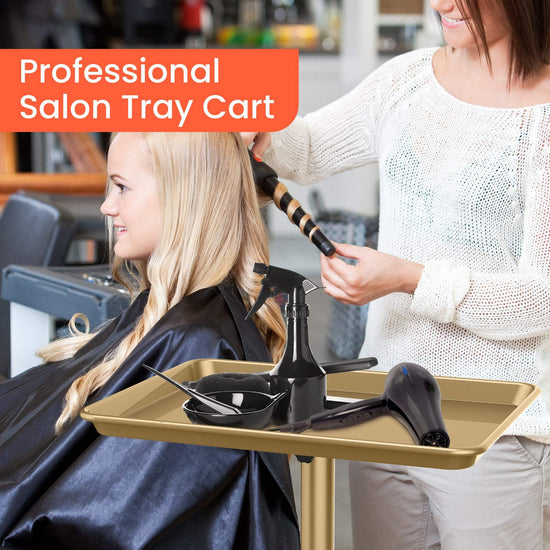
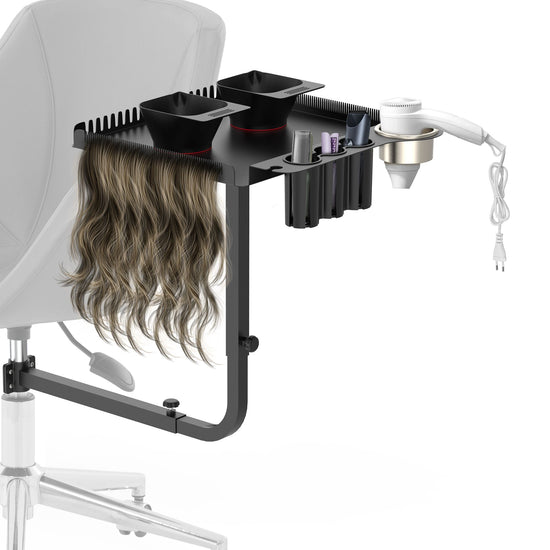
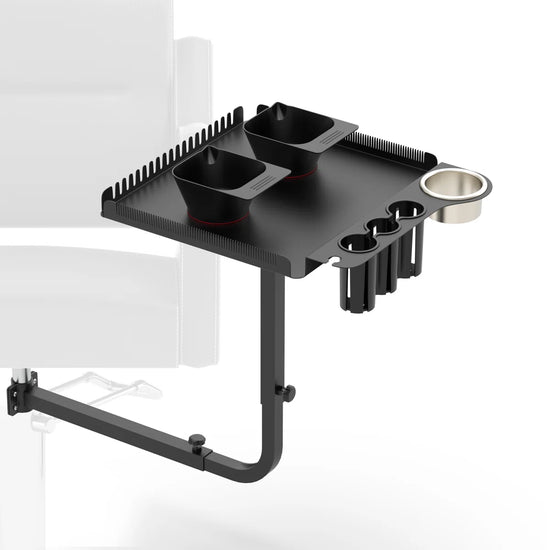
Nationwide lockdowns—in response to the surge of coronavirus—impacted all industries this year. While citizens could still access to essential services, non-essential businesses suffered from severe losses due to immediate shutdowns.Since salons and other beauty services come under non-essential services, they underwent profound financial and infrastructural impacts of the pandemic.Although the beauty industry usually has a 4-5% annual growth rate, McKinsey reports a 15% decline due to these pandemic-induced shutdowns. However, there’s still hope for salons to get back on their feet as they prepare to resume operations when the lockdown is lifted.Beauty salon owners must adapt to the challenges of the new normal for their business. From investing in new salon equipment to altering operation methods, there are several things salon owners must do to keep their beauty salon businesses afloat during the economic downturn.Here are some of them:Reduce Unnecessary Physical ContactYour priority should be to make your salon a safe and healthy space for your clients and staff. While maintaining a six-foot distance must be mandatory, take an additional preventative step by implementing virtual check-ins through online waivers and forms. As a result, you’ll be minimizing physical contact among clients and employees by eliminating waiting room check-ins.Another option is to invest in personal devices that allow staff members to safely handle counter services from retail to book-keeping from their digital devices. Offering contactless checkout service during these uncertain times will save your clients’ time and assure them that they’re in safe hands.Encourage your regular customers to pre-book appointments virtually to avoid increased physical contact and a crowded salon.Streamline Your OperationsIf you wish to run a smooth-running salon business with enhanced customer service and minimum physical contact wherever possible, you must streamline your business operations too.Offer online booking services and provide flexible slots that allow your staff to conduct a thorough and efficient cleaning routine between appointments. Schedule clients for different timings to prevent several people from arriving at the salon simultaneously.Consider offering essential services instead of a full menu at this moment. Optimize the service cycle time by helping clients prep for treatments at home.Keep the Space CleanClean your salon regularly according to the CDC regulations for salon and barbershop employees, disinfecting all high-touch surfaces to give clients a peace of mind.Use autoclaves to sterilize salon equipment and eco-friendly disinfectants for your salon mirrors and chairs.Invest in New Salon SuppliesInvest in clean and disinfected salon supplies like towels and capes to ensure your client’s health and safety throughout all treatments. Reach out to a reliable salon equipment supplier to purchase salon capes and towels in bulk quantities, and ensure you wash them thoroughly after every use.You can now find salon towels and salon capes for sale in California at TASALON. We offer towels and capes made from the most delicate fabrics to make every treatment a comfortable experience for your clients. We also offer salon stools, trays, trolleys, and mirrors and great prices!

How COVID-19 is changing the beauty world
admin
Dec 23, 2020
The global beauty industry, which includes skincare, make-up, hair care, perfumes, and personal care, is shocked by the COVID-19 crisis. Sales in the first quarter have been weak and stores have generally closed. The industry responded positively to the crisis, with the brand switching its production plant to produce hand sanitizers and detergents and offering free beauty services to frontline responders. At the same time, industry leaders have a responsibility to do their best to ensure the survival of their companies. The global beauty industry generates $500 billion in sales each year, creating millions of jobs, directly or indirectly. Life comes first, but livelihoods are also important.This article explores the likely impact of COVID-19 on the beauty industry over the next three to six months. It then explores how the crisis is fundamentally changing the long-term nature of the industry, and how retailers, strategic players, and investors are adapting. In many cases, it draws on the results of McKinsey's Global Consumer Confidence Survey in early April.Beauty is in the eyes of the onlooker, but when it comes to the long-term appeal of the global beauty industry, there is little controversy. Not only has it grown steadily, but it has also created generations of loyal consumers. During the 2008 financial crisis, spending in the sector fell only slightly, rebounding completely in 2010 (Figure 1).While the COVID-19 pandemic will be far larger for brands and retailers than in any recession, there are signs that the beauty industry may once again prove relatively resilient. In China, the industry's sales fell by 80% in February compared to 2019. In March, it fell 20% year-on-year, rebounding rapidly under the circumstances at the time. In a variety of markets, consumers have indicated that they intend to spend less on beauty products in the short term (mainly due to lower spending on makeup), but more than in other discretionary categories such as footwear and clothing (Exhibit 2). Noting the rise in lipstick sales during the 2001 recession, cosmetics company Leonard Lauder coined the term "lipstick index" to describe the phenomenon. The principle is that people see lipstick as an affordable luxury, so sales tend to remain strong even in periods of coercion.McKinsey explores nine economic scenarios over the next few years based on epidemiological trends and the effectiveness of economic policy decisions. Based on the most expected scenarios for global executives and current trends, we estimate that global beauty industry revenue could decline by 20% to 30% in 2020. In the United States, if COVID-19 recurs later this year, the decline could be as high as 35% (Figure 3).We looked at how the beauty industry is recovering in each case, taking into account two key factors: where and how beauty products are sold and what to buy.Beauty products are sold where and howIn most major beauty industry markets, before the COVID-19 crisis, in-store shopping accounted for 85% of beauty product purchases, subcategories vary. Even web-savvy American millennials and Gen Z (those born between 1980 and 1996) make nearly 60 percent of their purchases in stores (Exhibit 4). Due to COVID-19, high-end beauty product stores have closed, and about 30% of the beauty industry market has been closed. Some of these stores will never reopen, and new openings could be delayed for at least a year. Here are a few ways beauty product sales are changing: Growth in online sales cannot offset the decline in in-store sales. Some beauty product brands and retailers with inventory and shipping operations preparing to expand reported twice as many e-commerce sales as they did before COVID-19. Overall, we think a 20 to 30 percent increase would be more typical. Sephora's online sales in the U.S. reportedly increased by 30% compared to 20191, as did Amazon's beauty product sales in the four weeks to April 11. In China, McKinsey 's research shows that during the outbreak, online revenues of beauty industry players grew by 20 to 30 percent. These numbers are consistent with what beauty product consumers reported in the McKinsey Consumer Pulse Survey on COVID-19. Basic retailers saw a decline in beauty product sales. While brick-and-mortar pharmacies, mass markets, and grocery stores remain open, their foot traffic and revenues plummet. The Boots UK chain of pharmacies reported that its overall sales fell by two-thirds between 25 March and 3 April 2020, with revenue from beauty products leading to a decline. Uk consumers surveyed said they expected to spend around 50% less on beauty products than usual in the next two weeks. China suggests that the return of in-store shopping can be slow and differentiated. Although China reopened its stores since March 13 and there have been reports of "retaliatory spending," sales have yet to fully rebound. By mid-April, 90 percent of China's pharmacies, supermarkets, beauty products stores and department stores had reopened. However, depending on the industry and store type, foot traffic is still down 9 to 43 percent compared to levels before COVID-19. Shopping mall-based stores have proven to recover more slowly. Even after reopening, about 60 percent of China's mega shopping malls reported sales down 30 percent to 70 percent year-over-year in the first quarter of 2020. Retailers and brands are turning to promotions to attract consumers and clear inventory. An unusual move is that some well-known brands offer discounts of up to 40% online, competing with specialty beauty products and department stores to attract promotion-oriented consumers. Promotions also help move unsold seasonal inventory. With the reopening of physical stores of beauty products, we expect to see more promotions aimed at reclaiming customer traffic. This article is transferred from the network.Original website